


A Cautionary Tale - The Tacoma Narrows Bridge Collapse
Introduction: The Tacoma Narrows Bridge collapse stands as a haunting reminder of the importance of engineering foresight and the unforeseen consequences of design flaws. On November 7, 1940, this iconic suspension bridge in Washington State succumbed to the forces of nature, forever altering the landscape of civil engineering. In this article, we delve into the events leading up to the collapse, the engineering oversights that contributed to it, and the enduring lessons learned from this tragic incident.
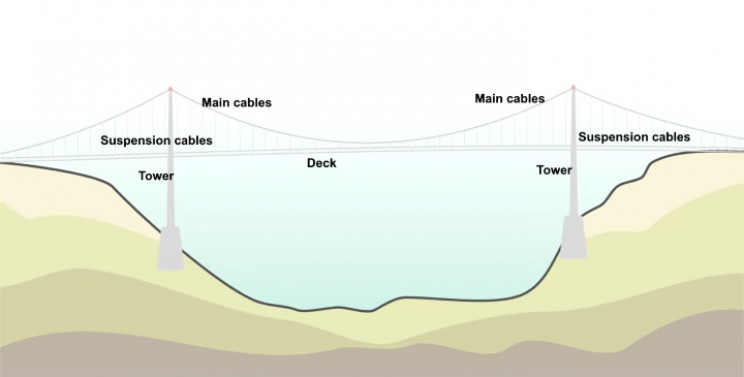
The Bridge's Design: The Tacoma Narrows Bridge, spanning the Tacoma Narrows strait in Puget Sound, was conceived as a marvel of modern engineering. Designed by engineer Leon Moisseiff, the bridge featured a slender deck suspended by cables, earning it the nickname "Galloping Gertie" due to its tendency to undulate in the wind. While its elegant design captured the imagination of engineers and the public alike, it would ultimately prove to be its downfall.
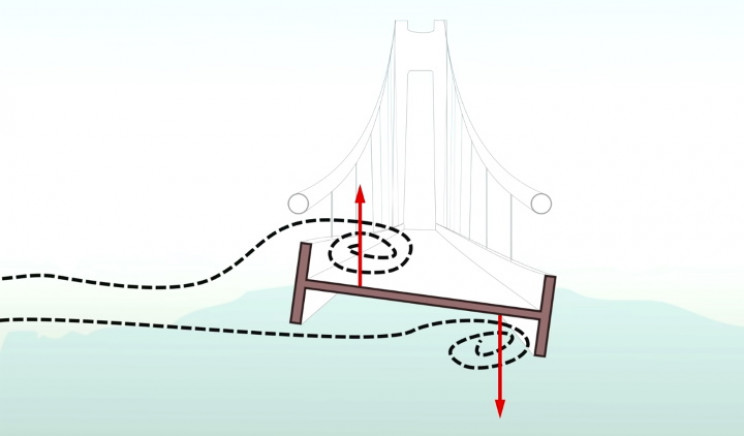
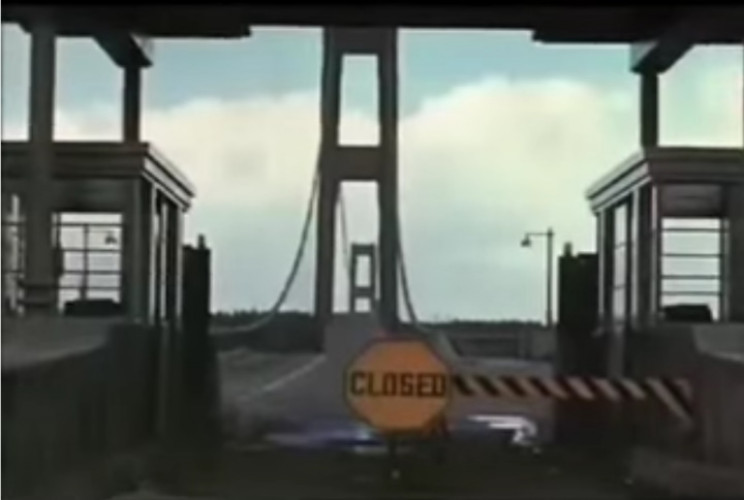
The Collapse: On that fateful November day, a steady breeze blowing through the Tacoma Narrows strait intensified into a powerful windstorm. As the wind struck the bridge, it set off a series of harmonic oscillations, or "fluttering," in the bridge deck. Despite efforts to stabilize the structure, the oscillations grew increasingly violent, causing the deck to twist and contort until it finally tore itself apart. In a matter of hours, the once majestic Tacoma Narrows Bridge collapsed into the frigid waters below, leaving behind a tangle of twisted steel and shattered concrete.
Engineering Oversights: The collapse of the Tacoma Narrows Bridge was attributed to several engineering oversights that compromised the structural integrity of the bridge:
- Insufficient Stiffening: The bridge's slender deck lacked adequate stiffening elements, making it susceptible to aerodynamic forces and harmonic vibrations.
- Failure to Account for Wind: The original design did not adequately account for the potential effects of wind on the bridge's stability, leading to unforeseen oscillations and structural failure.
- Inadequate Testing: The bridge underwent limited testing during the design phase, and the potential for aerodynamic instability was not fully understood or addressed.
Lessons Learned: The collapse of the Tacoma Narrows Bridge served as a wake-up call for the engineering community, prompting a reassessment of design principles and construction practices. The lessons learned from this tragic incident have since influenced the development of modern suspension bridge design and engineering standards:
- Aerodynamic Stability: Engineers now place greater emphasis on aerodynamic stability and wind-resistant design features in suspension bridge construction.
- Structural Testing: Rigorous structural testing and analysis are essential components of the design process, allowing engineers to identify and mitigate potential weaknesses before they become catastrophic failures.
- Continuous Monitoring: Advances in structural monitoring technology enable engineers to monitor the health and performance of bridges in real-time, allowing for proactive maintenance and intervention when necessary.
Conclusion: The collapse of the Tacoma Narrows Bridge stands as a poignant reminder of the delicate balance between innovation and responsibility in engineering. While the bridge's failure was a tragedy, it spurred significant advancements in bridge design and safety protocols that continue to shape the field of civil engineering today. As we reflect on this cautionary tale, we are reminded of the importance of humility, diligence, and foresight in the pursuit of progress and innovation.







0 Comments