


Title: Understanding the Mechanics: How Flywheel Energy Storage Systems Work
Introduction: Flywheel Energy Storage Systems (FESS) represent a fascinating and efficient method of storing and releasing energy. Operating on the principle of rotational kinetic energy, these systems offer rapid response times and high efficiency, making them valuable assets in various applications. This article delves into the intricate workings of FESS, exploring their components, operation, advantages, and applications.
Principles of Operation: At the heart of a Flywheel Energy Storage System lies a simple yet powerful concept: the conversion of electrical energy into rotational kinetic energy and vice versa. The system consists of several key components, including a flywheel, a motor-generator unit, and a control system.
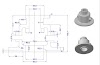
Flywheel: The flywheel is the central component of the system, typically consisting of a large, heavy rotor mounted on bearings to allow free rotation. The rotor is made from materials with high tensile strength and low density to maximize energy storage capacity while minimizing weight. The flywheel spins at high speeds, storing kinetic energy in its rotational motion.
Motor-Generator Unit: The motor-generator unit is responsible for converting electrical energy into mechanical energy (to accelerate the flywheel) and vice versa (to generate electricity from the spinning flywheel). When energy is supplied to the system, the motor accelerates the flywheel by applying torque to its shaft. Conversely, when energy is required, the spinning flywheel drives the generator, producing electrical power.
Control System: The control system regulates the operation of the FESS, monitoring parameters such as speed, torque, and energy storage levels. It ensures efficient energy transfer between the electrical grid and the flywheel, as well as managing the system's response to changes in demand or grid conditions.
Energy Storage and Release: During charging, electrical energy is supplied to the motor, which accelerates the flywheel, increasing its rotational speed and storing kinetic energy. The energy stored in the spinning flywheel is proportional to its mass and the square of its rotational speed, following the formula: , where is the stored energy, is the moment of inertia of the flywheel, and is its angular velocity.
When energy is required, the control system activates the generator, which extracts energy from the spinning flywheel, converting it back into electrical power. The rate of energy transfer depends on factors such as the flywheel's rotational speed and the efficiency of the motor-generator unit.
Advantages of Flywheel Energy Storage Systems: FESS offer several advantages over traditional energy storage technologies, including:
- Rapid Response Time: Flywheels can respond almost instantaneously to changes in demand, making them ideal for applications requiring fast response times, such as frequency regulation and grid stabilization.
- High Efficiency: Flywheels have high round-trip efficiency, with minimal energy losses during storage and retrieval.
- Long Lifespan: Flywheel systems have a long operational life and can withstand frequent charge and discharge cycles without significant degradation.
- Minimal Environmental Impact: Flywheels do not produce emissions or require fuel, making them environmentally friendly compared to some other energy storage options.
Applications of Flywheel Energy Storage Systems: Flywheel Energy Storage Systems find applications in various sectors, including:
- Grid Stabilization: FESS provide frequency regulation, voltage support, and grid balancing services, helping stabilize electrical grids and improve reliability.
- Uninterruptible Power Supply (UPS): Flywheels offer backup power during grid outages or blackouts, ensuring continuous operation of critical systems such as data centers and hospitals.
- Renewable Energy Integration: FESS can store excess energy generated from renewable sources such as wind or solar power for use during periods of low generation or high demand.
- Transportation: Flywheel-based energy storage systems are explored for use in hybrid and electric vehicles to capture and reuse braking energy, improving overall efficiency and reducing fuel consumption.
Conclusion: Flywheel Energy Storage Systems represent a compelling solution for storing and releasing energy efficiently and rapidly. By harnessing the power of rotational kinetic energy, these systems offer numerous advantages and find applications in diverse sectors, from grid stabilization to transportation. As technology continues to advance, FESS will play an increasingly important role in the transition towards a cleaner, more sustainable energy future.
This detailed article provides a comprehensive understanding of how Flywheel Energy Storage Systems work, their components, operation, advantages, and applications.




0 Comments