

.png)
Unveiling the Potential of Flywheel Energy Storage Systems (FESS)
Introduction: In the pursuit of sustainable energy solutions, Flywheel Energy Storage Systems (FESS) emerge as a promising technology poised to revolutionize the energy storage landscape. Harnessing the power of rotational kinetic energy, FESS offers a versatile and efficient means of storing and delivering electricity. This article provides a comprehensive exploration of FESS, unraveling its principles, operation, applications, advantages, and challenges.
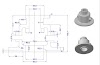
Understanding Flywheel Energy Storage Systems (FESS): A Flywheel Energy Storage System (FESS) is a mechanical energy storage device that stores kinetic energy in the form of a rotating mass, known as a flywheel. The core principle behind FESS involves converting electrical energy into rotational kinetic energy by accelerating the flywheel to high speeds using an electric motor. This kinetic energy is then stored in the spinning flywheel until needed, at which point it can be converted back into electrical energy using a generator.
Operation of Flywheel Energy Storage Systems: The operation of a Flywheel Energy Storage System entails several key steps:
- Charging: Energy is supplied to the FESS, typically in the form of electricity, which is used to accelerate the flywheel to high speeds.
- Energy Storage: The kinetic energy generated by the spinning flywheel is stored within the system. The flywheel continues to rotate at a constant speed, preserving the stored energy.
- Discharging: When energy is required, the rotational energy of the flywheel is converted back into electricity using a generator. The deceleration of the flywheel releases the stored energy, which is then fed into the electrical grid or used to power specific applications.
Applications of Flywheel Energy Storage Systems: Flywheel Energy Storage Systems find a wide range of applications across various sectors, including:
- Grid Stabilization: FESS can provide grid stabilization services by offering frequency regulation, voltage support, and grid balancing capabilities. They help maintain grid stability by quickly responding to fluctuations in supply and demand.
- Uninterruptible Power Supply (UPS): FESS installations serve as reliable backup power sources, ensuring uninterrupted operation of critical systems during grid outages or blackouts. They provide instantaneous power delivery, safeguarding against data loss and equipment damage.
- Renewable Energy Integration: FESS facilitates the integration of renewable energy sources, such as wind and solar power, by storing excess energy during periods of high generation and delivering it during peak demand periods. They help mitigate intermittency issues and enhance the reliability of renewable energy systems.
- Transportation: Flywheel-based energy storage systems are being explored for use in hybrid and electric vehicles to capture and reuse braking energy, improving fuel efficiency and reducing emissions.
Advantages of Flywheel Energy Storage Systems: FESS offer several advantages over traditional energy storage technologies, including:
- High Efficiency: Flywheels have high round-trip efficiency, enabling efficient storage and retrieval of energy with minimal losses.
- Fast Response Time: FESS can respond rapidly to changes in demand, making them ideal for applications requiring quick energy delivery.
- Long Lifespan: Flywheel systems have a long operational life and can withstand frequent charge and discharge cycles without significant degradation.
- Minimal Environmental Impact: FESS produce no emissions and require no fuel, making them environmentally friendly compared to some other energy storage options.
Challenges and Considerations: Despite their advantages, Flywheel Energy Storage Systems face some challenges and considerations, including:
- Energy Density: Flywheels typically have lower energy density compared to other energy storage technologies, requiring larger physical footprints for storing the same amount of energy.
- Self-Discharge: Flywheels experience self-discharge over time due to friction and air resistance, leading to energy losses if not actively managed.
- High Initial Cost: The initial capital cost of installing a Flywheel Energy Storage System can be relatively high compared to some other energy storage options.
- Safety: Flywheels store large amounts of kinetic energy, posing safety risks in the event of mechanical failure or malfunction.
Conclusion: Flywheel Energy Storage Systems represent a compelling solution to the challenges of energy storage and distribution in the modern world. With their high efficiency, rapid response time, and versatility, FESS offer a pathway towards a more resilient and sustainable energy future. As technology advances and deployment scales up, FESS are poised to play a pivotal role in enhancing grid reliability, integrating renewable energy, and powering the transition towards a low-carbon economy.
This detailed article provides a comprehensive overview of Flywheel Energy Storage Systems, shedding light on their principles, operation, applications, advantages, and challenges.




.png&description=Unveiling the Potential of Flywheel Energy Storage Systems (FESS))
0 Comments