

Crafting Your Own Handmade Wooden Scooter: A Step-by-Step Guide

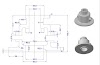
Building a handmade wooden scooter is a rewarding DIY project that combines woodworking skills with a touch of creativity. This design, inspired by the provided sketch and photo, features a simple yet sturdy structure suitable for children or light recreational use. With a deck length of 90 cm, a stem height of 78 cm, and a handlebar width of 25 cm, it's proportioned for easy handling. The wheels are 14 cm in diameter for the front and 12 cm for the rear, providing a smooth ride on flat surfaces. This tutorial draws from various woodworking resources to ensure a safe and functional build. Always prioritize safety by wearing protective gear and supervising children during use.Here's an example of a finished handmade wooden scooter for inspiration:Based on standard DIY scooter builds, gather the following items. Adjust quantities as needed for your specific wood choices.
- Hardwood boards (e.g., oak, maple, or pine for durability):
- One piece for the deck: 90 cm x 15 cm x 2 cm
- Two pieces for the stem/fork: 80 cm x 5 cm x 2 cm each (to allow for trimming)
- One piece for the handlebar: 25 cm x 3 cm x 3 cm (round or square dowel)
- Additional scraps for reinforcements: about 20 cm x 5 cm x 2 cm
- Two scooter wheels: 14 cm diameter front with bearings, 12 cm diameter rear with bearings (available from hardware stores or online)
- Threaded rod or bolts for axles: Two 5/8-inch (16 mm) rods, cut to 20 cm each
- Hardware: 8 washers (5/8-inch), 4 lock nuts (5/8-inch), 2 spacers (2.25 cm long, 5/8-inch diameter), wood screws (various sizes, about 20-30), wood glue, sandpaper (various grits), varnish or Danish oil for finishing
- Optional: Grip tape for the deck (30 cm x 90 cm strip), metal straps for reinforcements, rubber band or spring for a basic brake
- Measuring tape and pencil
- Wood saw (hand saw or jigsaw)
- Electric drill with bits (including 5/8-inch for axles and smaller for pilot holes)
- Screwdriver or power driver
- Clamps for gluing
- Router (optional for rounding edges)
- Hammer
- Sanding block or electric sander
- Safety gear: gloves, goggles, dust mask
- Prepare the Deck: Start by cutting your main deck board to 90 cm long, 15 cm wide, and 2 cm thick. Sand the edges to remove splinters and round them slightly for safety. At the rear end, mark and cut a slot about 3 cm wide and 7 cm long to accommodate the rear wheel. Drill holes on either side of the slot for the axle (5/8-inch diameter). This base design is adapted from simple wooden frames to provide a stable platform.
- Build the Stem and Fork: Cut two stem pieces to 80 cm long (trim to 78 cm effective height later). Angle the bottom ends at about 45 degrees to form a fork that will hold the front wheel. Nail or screw them together at the top, leaving a 3 cm wide slot at the bottom similar to the rear (7 cm deep). Drill a 5/8-inch hole through the fork for the front axle. Attach a short reinforcement piece (10 cm) across the fork midway for stability. This forked design allows for steering pivot and wheel attachment.
- Attach the Handlebar: Cut the handlebar to 25 cm long. Drill a hole in the center to fit over the top of the stem. Secure it with wood glue and screws from below. Round the ends with a router or sandpaper for comfortable grips. Optionally, add rubber grips from bicycle parts for better handling.
- Create the Pivot Mechanism: Attach the stem to the front of the deck using a pivot bolt. Drill a 1/2-inch hole through the deck front (about 5 cm from the edge) and the stem base. Insert a 1/2-inch bolt (12 cm long) with washers on both sides and a lock nut. Tighten just enough for smooth rotation but no wobble. Use metal straps or eye screws for added support if needed, ensuring even load distribution.
- Install the Wheels: For the rear wheel, insert the threaded rod through the deck holes and wheel bearings, adding washers and spacers on both sides. Secure with lock nuts. Repeat for the front wheel in the fork slot. Ensure the wheels spin freely without rubbing. The front 14 cm wheel provides better maneuverability, while the 12 cm rear offers stability.
- Add Reinforcements and Brake (Optional): Glue and screw any loose joints, using dowels for stronger bonds: Drill 3/4-inch holes 1/2-inch deep, insert dowels with glue. For a simple brake, attach a small hinge to the rear deck with a wooden lever and rubber band to press against the wheel. Screw in brake pads for better stopping power.
- Finishing Touches: Sand the entire scooter starting with coarse grit (80) and progressing to fine (220). Apply wood glue to any gaps, then wipe down. Finish with Danish oil or varnish for weather resistance—apply 2-3 coats, sanding lightly between. Add grip tape to the deck top for traction.
- Test and Adjust: Once dry (allow 24 hours), test the scooter on a flat surface. Check for smooth steering, wheel alignment, and stability. Make adjustments like tightening bolts or adding padding as needed.
- This scooter is best for children over 5 years old, under adult supervision.
- Test weight capacity (aim for under 50 kg depending on wood strength).
- Avoid rough terrain to prevent damage.
- Regularly inspect for loose parts.



0 Comments